






















Did you know that the glass produced for windows and doors today is vastly different from what was being installed just a few decades ago? Today’s glass is stronger, comes with myriad options, and is much more energy efficient. That last point is vitally important, because energy-efficient products can help save you money and are better for the environment. One of the most important energy-saving tips for homeowners is to install Low-E window glass. Let’s learn more about the emissivity of glass windows and why it’s important for most homes.
What are Low-E windows?
Low-emissivity windows, abbreviated as Low-E windows, have a thin, microscopic coating applied to the glass that reflects heat. Low-E film for windows, usually made of metallic oxides, prevents heat from escaping your home during winter and keeps it out in the summer.
Detailed definition of Low-E windows
Low-E coated windows reflect long-wave infrared energy, which is the type of heat generated by your home’s heating system or by the sun as it warms surfaces. At the same time, the coating still allows most visible light to pass through, so your home stays bright without taking on as much heat. Because the coating is applied in an ultra-thin layer, it changes how the glass performs without changing how it looks, making it an effective way to improve efficiency without affecting clarity or brightness.
How Low-E works in cold vs. hot climates
Low-E windows are versatile and are beneficial in both cold and hot climates. In colder regions, they reduce heat loss by reflecting interior temperatures back inside. In warmer climates, they improve a window’s solar heat gain coefficient rating, reflecting exterior heat, keeping homes cooler, and reducing the reliance on air conditioning.
Soft-coat vs. hard-coat Low-E coatings
Low-emission glass windows typically use either soft-coat or hard-coat technology, and each performs a little differently. Soft-coat Low-E is applied in a controlled environment and tends to deliver stronger energy performance, especially for reducing heat transfer.
Hard-coat Low-E is fused to the glass during manufacturing, making it more durable but slightly less effective at reflecting heat. Both options improve efficiency, but soft-coat Low-E is usually the preferred choice due to its superior energy performance. Your window dealer can help you determine which type is right for your project.
Understanding solar heat gain coefficient (SHGC)
Solar heat gain coefficient, or SHGC, measures how much of the sun’s heat passes through a window. This rating ranges from zero to one, with lower numbers meaning less heat enters your home. For most homeowners, a SHGC between 0.25 and 0.40 is ideal, though the best Low-E windows depend on your climate.
U-factor: measuring insulation performance
U-factor measures how easily heat moves through a window. Like SHGC, it’s expressed as a number, typically ranging from 0.20 to 1.20 for residential windows, and with lower values indicating better insulation. Low-E coatings play a key role in U-factor by reflecting heat back toward its source, which helps reduce heat loss during colder months. When combined with multiple panes and gas fills, Low-E windows can deliver strong overall insulation performance.
How to read window energy performance labels (NFRC ratings)
Window performance is often shown on labels from the National Fenestration Rating Council (NFRC). These labels include metrics like U-factor, SHGC, visible light transmittance, air leakage, and condensation resistance. Looking at all five values together can give you a more complete understanding of energy performance, helping you compare windows and choose the right balance of insulation and solar control.
How to tell if your windows have Low-E coating
It’s not always obvious if a window has a Low-E coating because the layer is nearly invisible. One simple way to check is to hold a flame, like from a lighter, near the glass and look at the reflections – Low-E coatings often create a slightly different tint in one of the reflections.
Sometimes, manufacturers etch or stamp Low-E information on the edge of the glass between the panes. You can also look for an NFRC label, manufacturer information, or warranty card to see if it lists Low-E as a feature. If you’re unsure, a window professional can confirm whether your current windows include this coating.
Sometimes, manufacturers etch or stamp Low-E information on the edge of the glass between the panes. You can also look for an NFRC label, manufacturer information, or warranty card to see if it lists Low-E as a feature. If you're unsure, a window professional can confirm whether your current windows include this coating.
Benefits of Low-E glass windows
Low-E windows are increasing in popularity, and for good reason. This simple coating has plenty of benefits for homeowners.
Energy efficiency
Low-E windows are some of the most energy-efficient windows out there. They can significantly reduce energy consumption by maintaining consistent indoor temperatures: According to the U.S. Department of Energy, heat gain and heat loss through windows are responsible for 25–30% of residential heating and cooling energy use. More stable indoor conditions throughout the day and across seasons means your HVAC system doesn't have to work as hard.
Cost savings
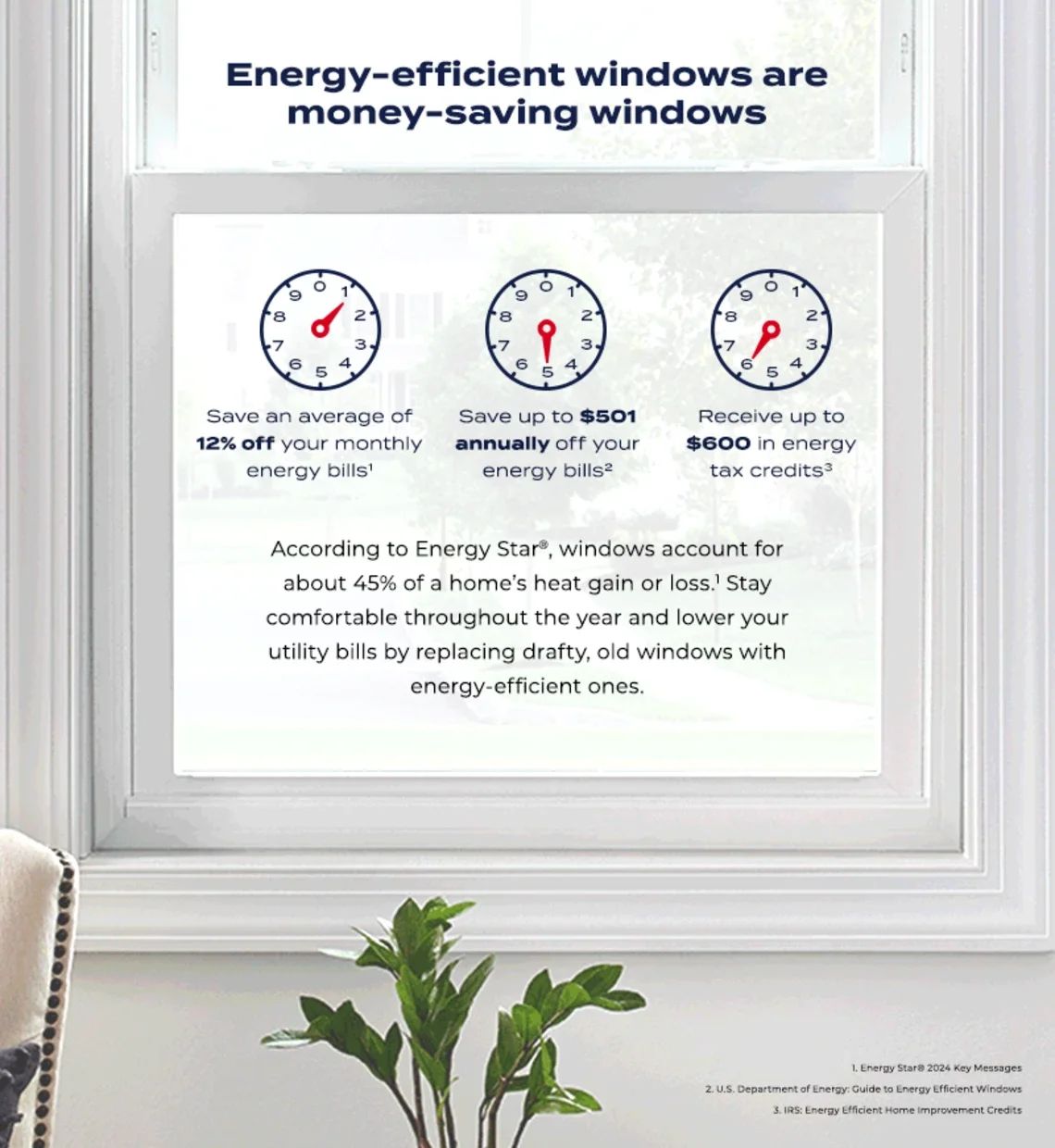
Although the initial investment might be higher, the reduction in energy bills means these windows can pay for themselves over time. The ENERGY STAR program states that replacing old windows with ENERGY STAR certified windows lowers household energy bills by an average of up to 13 percent nationwide. Plus, you may be able to take advantage of tax credits for Low-E energy-efficient windows, depending on your area.
UV protection
These windows can block harmful UV rays, which helps preserve window dressings, flooring, artwork, and furniture, which is particularly important in rooms like sunrooms. By reducing UV exposure, you can maintain the look of your interior spaces for longer without as much wear from sunlight.
Improved comfort
Low-E glass reduces cold drafts and hot spots in a room, enhancing overall comfort. By limiting how much heat moves through the glass, rooms feel more balanced no matter the season. This can make spaces near windows more usable, instead of feeling too hot or too cold at certain times of day.
Noise reduction
Low-E windows can also contribute to a quieter indoor environment. While the coating itself is not designed for sound control, it is often paired with double- or triple-pane glass, which helps reduce outside noise. For even greater sound control, consider combining Low-E glass with laminated glass, which includes an inner layer that dampens sound vibrations. If noise reduction is important to you, check for a Sound Transmission Class (STC) rating – a higher rating means better noise reduction.
Low-E windows vs. standard windows: key differences
Low-emission glass windows and standard windows may look similar, but they perform very differently. Key differences in heat control, UV protection, and efficiency can impact both comfort and long-term costs.
Side-by-side comparison table
| Feature | Low-E Windows | Standard Windows |
|---|---|---|
| U-factor | 0.20–0.30 (excellent) | 0.47–0.60 (poor) |
| SHGC | 0.22 – 0.40 (controlled) | 0.70 – 0.85 (high heat gain) |
| UV protection | High | Minimal |
| Energy efficiency | High | Minimal |
| Cost | Higher upfront cost | Lower upfront cost |
When standard glass may be sufficient
In some cases, standard glass windows may still meet your needs, depending on your home and location. While they don't offer the same level of energy performance, they can be a practical choice in certain situations:
- Mild climates where heating and cooling demands are low
- Detached spaces like garages, sheds, or workshops
- Short-term living situations or rental properties
- Tight budgets where upfront cost is the main concern
- Interior windows where energy efficiency is less important
That said, Low-E glass offers added performance that can make a noticeable difference in comfort and efficiency over time. For many homeowners, the long-term benefits help offset the higher initial cost.
Low-E glass windows: cost vs. value
Low-E windows often come with a higher upfront cost, but they’re designed to deliver long-term value through energy savings and improved comfort. Understanding how that investment pays off can help you decide if they’re the right fit for your home.
Payback period
The cost of Low-E windows varies depending on factors like size, frame material, and specific manufacturer, but generally, you can expect to pay about 10–15% more than standard windows. However, the energy savings can be substantial because you’ll have less need for heating and cooling even in extreme weather conditions. Many homeowners see a return on investment within about 3 to 7 years, depending on climate, energy costs, and usage patterns.
ENERGY STAR tax credits
Low-E windows can help you qualify for federal tax credits when they meet ENERGY STAR criteria. Homeowners may be eligible for a credit equal to 30% of the product cost, up to $600 per year for qualifying windows. To qualify, your windows must meet ENERGY STAR Most Efficient certification standards for your climate zone.
This incentive can help offset the initial cost and make upgrading to energy-efficient windows more accessible. Be sure to check current guidelines and keep documentation from your manufacturer to claim the credit.
How long do Low-E windows last?
Low-E window glass typically can last up to 20 years, depending on the quality of installation, whether they’re properly maintained, and the climate conditions they are exposed to. This is about the same as standard window glass. Today’s Low-E film for windows is applied using methods that improve its durability and resistance to weather conditions like harsh sun or salty sea air.
Signs your Low-E coating may need attention
Even though Low-E coatings for windows are designed to last, there are signs that may indicate an issue with performance or the window unit itself.
- Fogging or condensation between panes: This can point to a failed seal, which may reduce the effectiveness of the Low-E coating and insulating gas.
- Visible haze or discoloration: A cloudy or slightly tinted appearance that wasn’t there before may indicate coating degradation.
- Increased energy bills: If your heating or cooling costs rise without another clear cause, your windows may not be performing as expected.
- Hot or cold spots near windows: Noticeable temperature differences near the glass can suggest reduced thermal performance.
- Fading of interior items: If furniture, flooring, or curtains start fading more quickly, the coating may not be blocking UV rays as effectively.
If you notice one or more of these issues, it may be time to have your windows inspected or consider replacement to restore proper performance.
Tips to extend the life of Low-E windows
Just like with standard windows, there are measures you can take to extend the life of Low-E glass windows, including:
Proper installation
Ensure that your Low-E windows are installed by a qualified professional. Proper installation prevents issues such as leaks and drafts that can affect the window's performance and durability.
Regular cleaning
Keep the windows clean by using a soft cloth and non-abrasive cleaners. A simple solution of mild dish soap and water works well for routine cleaning. Avoid ammonia-based glass cleaners, razor blades, and steel wool, which can scratch the glass or damage Low-E coated windows.
Routine inspections
Check for signs of seal failure, such as condensation between glass panes or drafts around the window frame. Early detection of these issues can help you address them before they lead to more significant problems.
Use protective measures
If you live in an area with severe weather conditions, consider using storm shutters or impact glass to protect the windows from flying debris and severe impacts.
Choosing Low-E windows by climate zone
The best Low-E windows for your home often depend on where you live. By choosing Low-E coatings designed for your region, you can get better performance and more value from your investment.
Hot and humid climates (Southeast, IECC zones 2–3)
In hot and humid climates, the main goal is to reduce how much solar heat enters your home. Look for Low-E windows with a low SHGC rating (0.25 or below), which helps block a larger portion of the sun’s heat. This can ease the strain on your air conditioning system and help keep indoor spaces cooler during long, hot summers.
Cold climates (Midwest/Northeast, IECC zones 5–7)
In colder climates, retaining indoor heat is the priority. Low-E coatings used in these areas are often designed to reflect heat back into the home, helping reduce heat loss during winter months. A lower U-factor (0.27 or below) is especially important here, since it indicates stronger insulation performance.
Mixed climates (Mid-Atlantic, IECC zone 4)
Mixed climates require a balance between keeping heat out in the summer and holding it in during the winter. Low-E windows for these areas should provide moderate SHGC and U-factor values, offering year-round performance. Look for windows with a U-factor of 0.30 or below and an SHGC around 0.30–0.35.
More energy-efficient features to consider
If you’re in the market for new windows and patio doors, then you’ve inevitably come across even more energy-efficient glass options. Unless you’re an expert in the field, it can be hard to keep it all straight, which is why we’ve also compiled this handy glossary that goes beyond Low-E film for windows.
Spacer systems
Nearly all windows manufactured today have spacer systems. On a dual- or triple-pane window, the space between the panes is the spacer system. The spacer provides a moisture barrier, which helps block cool air from entering your home and warm air from escaping. Because of this, windows with spacers are superior to the old single-pane window style.
Triple pane vs. double pane with Low-E
Both double- and triple-pane windows can include Low-E coatings, but they differ in how much insulation they provide. Low-E double-pane windows are often enough for moderate climates and offer a good balance between cost and performance. For homes in extreme temperatures or areas with high energy costs, the added insulation of triple-pane Low-E windows may be worth the upgrade.
Gas enhancements
In windows with gas enhancements, dense gasses are pumped between the panes during the production process. Like the spacer system itself, this gas also helps block air, further helping homeowners to keep their interior space at a consistent temperature. The two most common gases are argon and krypton:
- Argon gas: Odorless, non-toxic, and about 38% denser than air, making it an excellent insulator.
- Krypton gas: Even denser than argon (about 2.9 times the density of air), krypton offers superior insulation in a thinner space.
For most homeowners, argon-filled Low-E windows provide an excellent balance of performance and value.
Obscure glass
Obscure glass is sometimes referred to as decorative glass. While it’s true that this product is often employed for its aesthetic look, obscure glass also blocks UV rays. It’s commonly used in bathrooms because it allows for natural light, but also provides privacy. It’s also popular in entryways and even on sliding glass patio doors that face the street or a neighbor’s home.
Laminated glass
Created for areas that frequently experience severe storms, laminated windows, sometimes called hurricane impact windows, are designed to splinter when damaged. It contains an inner layer of lamination that then prevents the window from completely shattering – it may crack, but it won’t allow air to enter your home. Laminated glass is also energy-efficient: Its multiple layers naturally block heat, and it’s available with Low-E coatings.
Vinyl vs. aluminum frames for energy efficiency
The frame material plays a big role in how well a window performs, even when using Low-E glass. Vinyl frames are known for their strong insulating properties, helping reduce heat transfer and maintain indoor temperatures.
Aluminum frames are lighter and offer a slimmer profile, but they tend to conduct heat more easily unless they include a thermal break. For homeowners focused on energy savings, vinyl is often the more efficient option, while aluminum may appeal to those prioritizing a specific look or design.
Find Low-E windows and more at MI
Low-E glass windows are one of the most cost-effective ways to improve the energy efficiency of your home – but they’re not the only feature you’ll come across as you shop. A Certified MI Dealer is your best resource to learn about all things related to energy efficiency, including types of glass and Low-E film for windows. Find a dealer in your area to learn more about our high-quality, energy-efficient products and how they can help increase your comfort and save you money.
FAQs about Low-E windows
For many homeowners, Low-E windows are worth the added cost because they can lower energy bills and improve indoor comfort year-round. Over time, the savings on heating and cooling can help offset the initial investment.
No, Low-E windows are designed to let in most visible light while reflecting heat. This means your home can stay bright without taking on as much unwanted heat from the sun.
In some cases, you can apply a Low-E film to existing windows, but it may not perform as well as factory-applied coatings. For the best results and durability, replacing the glass with built-in Low-E is often the better option.
Low-E 180 is designed to reflect heat back into your home, making it a good choice for colder climates. Low-E 366 offers more advanced performance by blocking more solar heat, which makes it suitable for a wider range of climates, including warmer regions.
Low-E coatings themselves do not reduce noise, but they are often paired with multi-pane glass that can help block sound. Double- or triple-pane Low-E windows can create a quieter indoor environment by adding more layers for sound to pass through.