


















Considering hurricane impact windows? Compare costs, benefits, ratings, glass and frame options, and what to look for when protecting your home.
A comprehensive guide to hurricane impact windows
If you live in a storm-prone region, you’ve likely heard of hurricane impact windows, which are designed with laminated glass and durable frames to withstand hurricane-force winds and flying debris. Unlike standard windows, the glass may crack but won’t shatter when struck by debris, helping keep your home sealed during a storm. These windows also come with special impact ratings that certify they offer storm protection in areas that experience hurricane season.
Hurricane season in the southeastern United States can be a scary time. Storms always seem to be just over the horizon, and in the blink of an eye, residents must pack what little they can into their vehicle or stay at home and hope for the best, while winds tear at the doorstep.
Luckily, hurricane impact windows and hurricane glass can limit the amount of damage to the inside of a home. They’re built tough to protect against even the strongest of storms.
What are hurricane impact windows?
Hurricane impact windows are made of highly reinforced glass that can withstand hurricane-force winds without shattering like standard glass might. They have multiple layers of laminated glass (usually two or three), set in a specially made, ultra-strong frame.
Hurricane windows are built to take the impact of tree branches and debris flying into the glass at high speeds. While the glass itself may still crack and spiderweb, it won’t shatter. That means no open holes that leave your home vulnerable to the harsh weather.
The interlayer is what makes these hurricane windows so durable. It features two panes (or sometimes three panes) of glass bonded to a flexible polymer sheet. Polyvinyl butyral (PVB) and SentryGlas Plus (SGP) are the two most commonly used interlayers. PVB is a cost-effective option often considered the standard for homes, while SGP is much stronger and stiffer and typically reserved for larger glass openings and commercial buildings.
Glass and frame construction
Laminated glass is the main component, but you can also pair it with insulated glass to improve energy efficiency, or with tempered glass for added strength and durability.
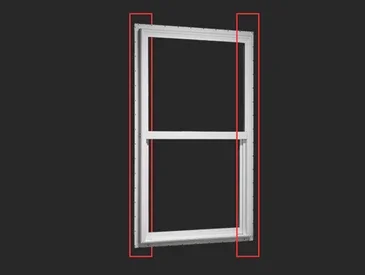
As for frames, vinyl and aluminum are the main options. Vinyl impact windows are low-maintenance and affordable, is often used in homes, while aluminum offers a slimmer profile and a higher strength-to-weight ratio than vinyl. Aluminum is typically used for commercial structures and larger openings. That said, reinforced mullions are another option for expansive openings.
The right option for you will depend on several factors, including your window configuration, window size, climate, and local building codes.
Impact windows vs. hurricane windows: are they the same?
It depends. Some manufacturers and contractors refer to impact windows and hurricane windows as the same product and use the terms interchangeably. However, not all windows offer the same kind of hurricane protection.
Some marketers may call their windows “hurricane-rated” or “impact-resistant,” but those are not certifications. That’s why it’s important to look at the window’s impact ratings, which show exactly how the window performed during missile-impact and pressure-cycle tests. The ratings reveal how well the window can withstand hurricane-force winds, wind-borne debris, and changes in wind pressure.
Technical differences between the labels
One thing worth mentioning is that the terms “storm windows” and “hurricane shutters” typically refer to special window covers placed over standard windows for storm protection. For instance, you can get accordion shutters or roll-down panels. When browsing for windows, be sure to ask whether they are actual hurricane-rated windows or add-on panels.
How impact windows are rated and tested
Let’s take a closer look at the different ratings and certifications, so you have a better idea of what to look for when browsing hurricane-impact windows.
Design pressure, impact testing, and water infiltration ratings
The design pressure (DP) rating indicates the wind load the window can withstand without failing. It’s designated in pounds per square foot, and the higher the number, the stronger the window. High DP ratings are required for storm-prone regions.
For reference, MI’s V3000 Series windows and doors carry a DP50 rating.
Impact testing looks at how well the window can withstand flying debris. It involves firing large missiles (nine-pound pieces of lumber) and small missiles (2-gram steel balls) at the window to simulate large debris and gravel. The unit also undergoes thousands of pressure cycles.
There is also a water infiltration rating that measures how well the window blocks wind-driven rain and prevents it from leaking into a structure. The higher the number, the better the water resistance.
Certification standards: ASTM and TAS
ASTM E1886 and ASTM E1996 are the national standards for impact testing and performance. E1886 establishes the testing methods, while E1996 determines the performance specifications the window must meet.
In Florida, three testing protocols are required in Miami-Dade County, the High-Velocity Hurricane Zone, and other regions listed in the Florida Building Code. TAS 201 is a large missile impact test; TAS 202 is a cyclic wind-pressure and structural-load test; and TAS 203 is a static air-pressure test. If you live in the designated regions, your windows must meet these mandates to pass inspection.
Even if you don’t live in these high-risk weather zones, selecting windows with these ratings helps ensure they perform well in a storm. Ask a supplier for the window’s product approval number, which will prove the window has undergone and passed testing.
Can impact windows withstand a Category 5 hurricane?
Not entirely, and it’s worth being precise about why. Hurricanes are categorized by sustained wind speed, while windows are rated by the wind loads and debris impacts they are tested against. The two scales don’t map neatly onto each other.
A Category 5 hurricane carries sustained winds of 157 mph or higher. MI StormArmor impact windows are designed to withstand wind speeds of up to 140 miles per hour, which covers a Category 4 storm. The laminated glass will still resist debris in a stronger storm, but no residential window should be treated as a certified guarantee against every condition a Category 5 can produce.
Rather than asking whether a window is “Category 5 proof,” check the ratings for the exact product and confirm they meet the building requirements where you live.

The benefits of hurricane impact windows
While hurricane windows are made for storm season, the same strong, double-paned glass that protects your home from high winds also has other benefits. The multiple layers of laminated glass provide noise reduction, so you can sleep well knowing all is quiet inside, even if it may not be outside. Another benefit that will help you sleep soundly is that hurricane windows can’t be broken by a burglar’s tools, like crowbars or even sledgehammers.
Hurricane glass also has a darker tint than standard glass to provide UV protection. The darker tint plus laminated, double-paned glass makes these windows energy-efficient: Outside air can’t get in, and the sun won’t heat up your home in the summer. That decreases the need for heat or air conditioning and can reduce your electric bill.
In addition to the darker tint glass, the laminated layer inside the window blocks roughly 99% of ultraviolet light. This helps prevent UV light from fading your furniture, rugs, and hardwood floors.
Insurance premium savings
Another benefit is that many insurers offer discount premiums for homeowners with certified impact-rated openings. They list them as a reduction in claim risk, which can lower the windstorm portion of your coverage. Ask your insurance company what documentation you need to ensure you purchase the correct window to qualify for discounts.
Impact windows vs. hurricane shutters
Hurricane shutters are not necessary if you have already installed impact-rated windows, as these windows are a complete system on their own. That said, you can add shutters as an extra layer, but they are optional.
“Do I need hurricane shutters if I have impact windows?” is a common question among homeowners considering storm protection. Impact windows and hurricane shutters serve as two distinct yet complementary options for safeguarding homes during severe weather. Hurricane impact windows, designed to resist shattering upon impact, provide a continuous barrier against high winds and flying debris. They offer enhanced security, noise reduction, and protection against storms.
While impact windows can stand alone as a robust defense, some homeowners opt for the added protection of hurricane shutters to create an extra layer of defense during intense storms. There are many types of shutters, from industrial-strength aluminum roll-up systems to stylish colonial options to permanently installed panels.
Depending on the style and price point, some downsides of shutters are that they can darken your home and they need to be manually closed during a storm. The decision ultimately depends on individual preferences, budget considerations, and the level of protection desired for a particular home.
If you’re interested in a third option, you could consider adding impact film, which is a security layer you can apply to your existing glass. This layer is affordable and can help hold glass fragments together, but it does not meet impact-rating requirements or satisfy Florida’s strict building codes.

How much do hurricane impact windows cost?
The average cost of hurricane impact windows can vary depending on the size of your house and how many windows you want to install. However, the long-term benefits of these windows cannot be overstated. These windows have the potential to not only limit the damage to your home, but also to every other home in the storm’s wake.
When a hurricane puts a hole in a window or shatters it, the wind entering your home creates pressure because of the confined space. This pressure can build until it causes the roof to be torn away, feeding more debris into the storm and endangering your neighbors’ homes.
Hurricane windows can create a safer environment for yourself and your neighbors during a storm – and save you thousands of dollars in the long run.
What drives the price per window?
The following factors can influence hurricane window costs:
- Opening size
- Window style
- Glass package
- Frame material
- Installation
For example, larger openings that require more glass will generally cost more than smaller openings, while the structural complexity, shape, and customized features of a window can increase the price as well. Glass add-ons, like energy-efficiency coating, will cost more, and aluminum frames tend to be more expensive than vinyl ones. The price of the installation can vary, too, especially if the opening requires structural work.
Impact vs. standard windows: cost and return
Impact windows will cost more than standard windows, but they help protect your home and provide it with a permanent upgrade. This means you’re saving money by avoiding storm damage while potentially increasing your home's resale value.
Hurricane-impact windows also offer additional savings in other ways. For instance, they may qualify for insurance discounts and help lower your monthly energy bill. Over time, these savings add up.
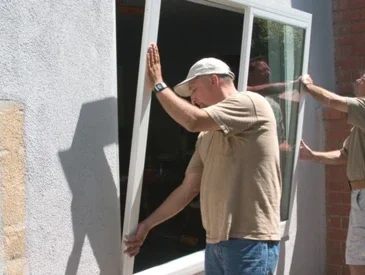
That said, it can be costly to replace the windows in your home with impact-rated ones all at once. Depending on your home’s structure and existing openings, it may require structural work. No matter what, window installation must be done by a professional who understands how to properly fit the window with the correct anchors and seals, ensuring it passes inspection and satisfies insurance companies.
There are costs associated with replacing your windows, but the long-term cost savings and investment often outweigh upfront costs.
Choosing the right hurricane impact windows for your home
Worsening storms continue to pose a threat throughout the U.S., but especially in coastal areas. Hurricane impact windows are an investment that can not only protect your home and loved ones, but also contribute to the safety and well-being of your entire community. You’ll enjoy energy savings, noise reduction, and overall peace of mind.
When comparing options, be sure that your quotes include these components every time:
- The design pressure (DP) rating
- Impact standards the unit has passed
- Product approval number
- Installation price (including labor)
- Warranty coverage
MI StormArmor impact windows
To ensure you get high-quality, impact-resistant windows that will benefit you long-term, go with a trusted, reliable company like MI® Windows and Doors. Our StormArmor™ impact windows are designed to withstand wind speeds of up to 140 miles per hour and are backed by an industry-leading Lifetime Limited warranty.
StormArmor is an impact-resistant option on select V3000 Series products, carrying a DP50 rating. It is available on picture, single-hung, horizontal sliding impact windows, casement and awning windows, as well as sliding glass doors. If you are considering a whole-home installation, an MI Certified Dealer can confirm which openings in your home can be fitted with StormArmor and what the alternatives are for the rest.
Ready to explore our impact windows and learn more about pricing for your home? Request a quote today and an MI Certified Dealer will discuss ratings, styles, pricing, and more.