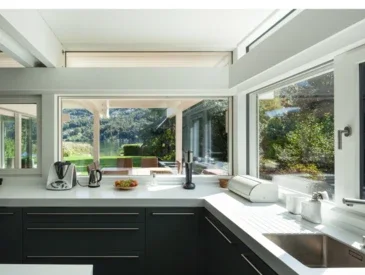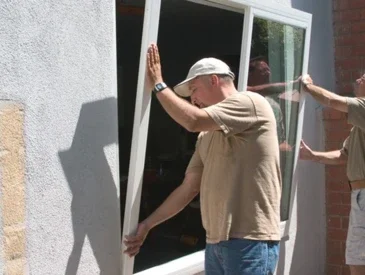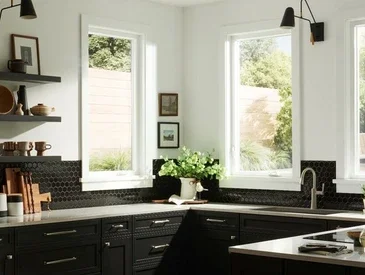
























The finish on a vinyl window can have a big impact on how it looks and performs years down the road. If you’re comparing vinyl window finishes, you may come across the term “capstock.” This finish option has gained popularity recently, especially for darker colors. But what is capstock? And is it right for your project? This guide will break down everything you need to know about capstock windows.
What Is Capstock in Vinyl Windows?
Capstock is a protective outer layer that's permanently bonded to a vinyl window frame during manufacturing. Unlike paint on the surface of a frame or glued-on laminate, capstock becomes part of the frame itself, creating a durable exterior that helps the window stand up to years of sun, weather, and everyday exposure. Understanding what capstock is and how it's made can help you compare different vinyl window options with more confidence.
What Capstock Is Made Of (Acrylic and ASA Composition)
Capstock is typically made from an acrylic-based material called ASA (acrylonitrile styrene acrylate). It has built-in UV stabilizers and dimensional stability, making it ideal for outdoor applications with long-term exposure to sunlight, moisture, and changing temperatures. Beneath the capstock layer is rigid PVC vinyl, which provides the structural strength and insulating performance of the window frame.
How Capstock Is Bonded to the Vinyl Frame
One of the biggest differences between capstock windows and other options is how the finish is applied. During manufacturing, the molten vinyl frame material and the molten capstock layer are pushed through the same extrusion die at the same time in a process called co-extrusion. Because both materials are fused while they're still molten, they form a molecular bond rather than relying on glue or adhesive. The finished frame acts as one continuous piece, so there's no separate layer that can peel away over time.
Why Capstock Was Made for Vinyl
Vinyl is popular because it's energy efficient, durable, and easy to care for. However, sun chalks and fades the color over time. Painted vinyl flakes or peels. Capstock was developed to give vinyl windows a tougher exterior that holds up better against the elements. Homeowners throughout the Eastern U.S., where homes experience everything from hot, humid summers to freezing winters, especially appreciate the benefits of capstock windows.
How Capstock Is Manufactured: The Co-extrusion Process
For homeowners, builders, and dealers comparing capstock windows to standard vinyl, the difference starts with how the frame is made: Co-extrusion is what separates capstock from every other vinyl-finished window frame. It creates a single, bonded frame profile with no separate finish layer that can pull away. Here’s how it’s done.
The Co-extrusion Process Step by Step
The co-extrusion process uses two materials at the same time to create one finished window frame profile. Here’s the process:
- Rigid PVC pellets are fed into one extruder, while capstock polymer pellets are fed into another.
- Both materials are heated in separate but synchronized extruders until they become molten.
- The two molten streams move through separate channels into the same die.
- Inside the die, the capstock forms the outer surface while the PVC forms the structural core.
- The materials emerge as one continuous, fused profile.
- The profile is cooled, cut to length, and milled into the final window frame.
Because the materials meet while they are still molten, the capstock becomes part of the frame rather than a finish added later.
Why the Bonded Layer Outperforms Paint and Laminate
Capstock performs differently from paint and laminate because it is not a coating or a glued-on layer. Painted vinyl can chip or peel because the paint sits on the surface of the frame. Laminated vinyl can separate over time if heat or weather weakens the adhesive beneath it. Capstock’s bonded construction is one of the main reasons it can offer longer-lasting color and better exterior durability than many standard vinyl finishes.

Key Benefits of Capstock Windows
The benefits of capstock come directly from the way it's made. Because the protective outer layer is permanently bonded to the vinyl frame, capstock windows hold up where standard and painted vinyl falter. That's one reason they have become a popular choice for homes across the Eastern U.S., where the climate can range from hot and humid to cold and snowy.
Long-Lasting Color and UV Protection
One of the biggest benefits of capstock is its ability to keep exterior colors looking newer for longer. The acrylic-based outer layer contains UV stabilizers throughout the material, helping the finish resist fading and chalking caused by years of sun exposure. This protection is built into the capstock itself rather than applied to the surface, so the color stays more consistent over time. ASA-based capstock is also harder than standard PVC, so it can better resist scratches from branches or blowing debris.
Heat Resistance for Dark and Black Exteriors
Dark-colored window frames absorb more heat than lighter colors, which places greater demands on the frame material. Capstock formulations designed for darker finishes use heat-stable pigments and added structural support to prevent warping. That’s why many black and dark-colored vinyl windows use capstock instead of paint or laminate.
Low Maintenance: No Painting, Sealing, or Refinishing
One reason many homeowners choose vinyl windows is that they require very little upkeep, and capstock builds on that advantage. Capstock windows don’t need to be painted, sealed, or refinished over their lifetime. Occasional cleaning with mild soap and water is all that's needed to keep capstock frames looking their best. That makes capstock an excellent option if you want long-lasting, low-maintenance windows.
Capstock vs. Painted Vinyl Windows
The most common alternative to capstock is painted vinyl. Both can provide attractive color options, but they're made very differently, which affects how each finish performs over time.
Durability and Lifespan Side by Side
A quality painted vinyl window can maintain its appearance for many years, but the finish may eventually show signs of fading, chalking, or chipping, especially in areas with strong sunlight. Capstock windows usually keep their color and finish throughout the service life of the window, which can span 25 years or more with proper care.
Maintenance and Refinishing Differences
If the finish on a painted vinyl window begins to wear, restoring its appearance usually requires cleaning, preparing, and repainting the frame. That can add time, expense, and ongoing maintenance over the years. On the other hand, capstock windows don't require repainting or refinishing. For homeowners choosing replacement windows they intend to keep for decades, that difference adds up.
Long-Term Cost Comparison
Painted vinyl windows generally have a lower purchase price, making them an attractive option for some projects. However, any future refinishing or earlier replacement can add to the total cost of ownership. Capstock windows generally cost more upfront, but their long-lasting finish and minimal maintenance can help offset that difference over time.
Capstock vs. Laminated Vinyl Windows
Capstock and laminated vinyl windows are sometimes confused because both can give vinyl frames a richer color or finish than standard vinyl. While laminate may offer more design variety, capstock windows are built for longer-term exterior durability. Most premium vinyl windows offer both options for different priorities.
How the Two Finishes Differ Structurally
The difference comes down to how each finish becomes part of the frame. Laminated vinyl uses two steps: extrude the vinyl, then bond a decorative film to the surface with adhesive. Capstock is fused to the vinyl in a single step during manufacturing. One finish is glued on, while the other is bonded together with the frame.
Performance Trade-offs in Real Use
Laminated vinyl can be a good option when a project calls for a wood-grain look or a color that is not available in capstock. However, because laminate depends on adhesive, heat and weather can create bubbles or peeling over time. Capstock windows come in fewer color options, but do not carry the same risk of wear and tear. For homeowners who want windows built for long-term exposure, capstock is often the stronger choice.
When a Laminated Finish May Still Be Preferred
A laminated finish may make sense when design goals call for a very specific look, such as a realistic wood grain or a unique interior color. Architects, designers, and custom home buyers may choose laminate for visible interior surfaces or when a visual match matters more than maximum finish life.
Capstock for Black and Dark-Colored Vinyl Windows
Dark-colored and black windows have become a popular choice for both new homes and replacement projects, but they also create unique challenges for vinyl frames. Because darker surfaces absorb more heat from the sun, they place greater stress on the window material than lighter colors. Capstock helps make these darker finishes possible.
How Capstock Helps Prevent Heat-Related Distortion
Dark window frames can become much hotter than lighter-colored frames in the sun. Over time, that extra heat can cause cosmetic and performance issues for standard PVC window frames. But with capstock, which is developed for dark colors using heat-stable pigments and advanced polymer technology, vinyl frames hold their shape and style for decades.
Expanding Design Possibilities with Dark Exterior Colors
While capstock performs well in lighter colors, its ability to support darker finishes has opened up more design options for homeowners, architects, and builders looking for a modern look. Many manufacturers use capstock for black, charcoal, bronze, and other darker finishes. MI Windows offers a range of capstock window colors including Earthstone, Sandstone, and our jet-black Carbonite Collection.
Capstock for New Construction Projects
Dark window frames are a popular feature in home styles such as modern farmhouse, Colonial, and coastal contemporary designs throughout the Eastern U.S. For builders, choosing capstock windows for new construction projects can help reduce the chance of complaints years after the home is completed. Homeowners also benefit from having a durable, low-maintenance, yet stylish exterior finish.
Are Capstock Vinyl Windows Worth It?
Capstock vinyl windows typically cost more than standard vinyl windows, so it's reasonable to ask whether the added investment is worthwhile. The answer depends on your priorities, your local climate, and how long you expect to stay in your home. If long-lasting color and minimal maintenance are important to you, capstock windows may provide good long-term value. At the same time, it's worth understanding the trade-offs before making your decision.
Disadvantages Worth Knowing
Like any window material or finish, capstock has a few drawbacks to consider. Capstock has a higher upfront cost compared to standard vinyl windows. It also offers fewer color choices than painted finishes, so it may not work for homeowners looking for a very specific custom color.
It's also important to know that if the outer layer is deeply damaged by a severe impact, the finish can’t be repaired the way painted vinyl can be. For many homeowners, these trade-offs are outweighed by the long-lasting finish and reduced maintenance.
MI Windows Capstock Options and Next Steps
MI Windows has been manufacturing replacement and new-construction windows for the Eastern U.S. since 1947, and we offer one of the largest selections of window styles in the industry, including capstock finishes. For homeowners ready to take the next step, the fastest path is finding a local MI Certified Dealer who can walk through the options in person and provide an installed quote.
MI Product Lines That Include Capstock Finishes
MI Windows offers capstock window options in several product lines, for both replacement and new-construction projects:
- The V4500 Sunrise Series offers premium vinyl construction with capstock available in several colors.
- The V3000 Series offers a balance of value and solid performance, with some styles available in capstock.
- The Carbonite Collection is an all-capstock window portfolio designed for black windows.
Available colors and frame profiles vary by series, so it's important to compare each product line before choosing.
Find an MI Certified Dealer Near You
MI Certified Dealers carry the full product range, provide in-home consultations, and handle installation. They can help you compare capstock options in person, review samples, and understand which product lines are best for your home or project. Our network spans more than 37 Eastern U.S. states—find an MI Certified Dealer near you for product guidance and an installation quote.
FAQs
Capstock windows typically cost about 20–40% more than standard vinyl windows due to the added exterior layer and manufacturing process. The exact price depends on factors like window size and style, color choice, glass package, product line, and installation complexity. While the upfront cost is higher, many homeowners consider the longer-lasting finish and reduced maintenance when evaluating overall value.
Warranty coverage varies by manufacturer, but many capstock finishes are covered against peeling, blistering, and excessive fading. Before buying, check how long the finish is covered, what defects are included, and whether the warranty transfers to a new homeowner.
Fibrex is a proprietary material, not a standard window material category. While it offers a different option, it isn’t inherently better than high-quality vinyl. Vinyl windows are widely used because they provide strong energy efficiency, low maintenance, and long-term value. In most cases, comparing overall window performance, warranty, and installation quality is more important than focusing on the material alone.